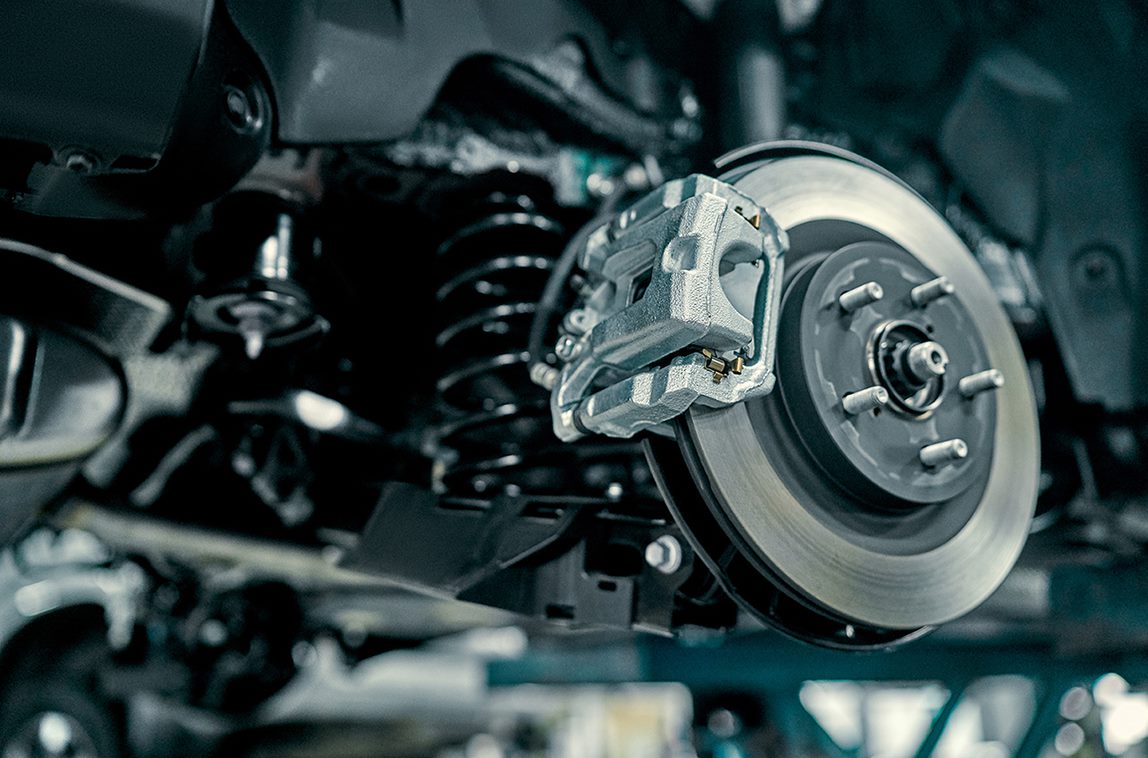
Knowing when to schedule a Hyundai brake pad replacement helps maintain reliable stopping power and prevent unnecessary damage to your braking system. Although brake pads are designed to withstand thousands of miles of everyday driving, they gradually wear down through repeated use. Garden Grove Hyundai explains how long brake pads typically last, what affects their lifespan, and when professional service may be necessary.
Average Hyundai Brake Pad Lifespan
Hyundai brake pads typically last between 30,000 and 70,000 miles, although replacement intervals vary depending on the model and driving conditions. Some drivers may need new pads sooner, while others can travel farther before reaching the recommended minimum thickness. Regular inspections provide a more accurate assessment than mileage alone.
Hybrid and electric Hyundai models also use regenerative braking, which helps slow the vehicle while recovering energy. Because this system can reduce reliance on conventional friction brakes, brake pads may last longer under certain driving conditions.
Driving Habits That Affect Brake Pad Wear
Frequent stop-and-go traffic, aggressive braking, and repeated hard stops can accelerate brake pad deterioration. Drivers navigating busy Southern California roads may experience more frequent braking than those who primarily travel on open highways. Maintaining a safe following distance and slowing down gradually when appropriate can help reduce unnecessary wear.
Vehicle weight also influences braking demands, particularly when carrying passengers, cargo, or towing within the vehicle's rated capacity. Brake pad materials, road conditions, and exposure to moisture can further affect longevity. Regardless of driving habits, maintaining responsive brakes should always take priority over extending pad life.
Warning Signs Your Brake Pads Need Attention
Worn brake pads and other braking system problems can produce several noticeable symptoms. Common warning signs include:
- Squealing or Squeaking: High-pitched noises during braking may indicate worn pads, although moisture or debris can also cause temporary sounds.
- Grinding Noises: Metal-on-metal grinding can indicate severely worn pads or other damaged braking components.
- Brake Pedal Vibration: Pulsation during braking may result from uneven rotor surfaces or other brake-related problems.
- Longer Stopping Distances: Reduced braking performance requires prompt professional attention.
- Brake Warning Indicators: Certain Hyundai models may display warnings related to braking system malfunctions.
These symptoms don't always indicate that brake pads alone need replacement. A professional inspection can identify the underlying issue and determine the appropriate repair.
What Happens During a Professional Brake Inspection?
During a brake inspection, technicians measure remaining brake pad thickness and evaluate the condition of the rotors. They may also examine calipers, brake lines, hoses, and other components for signs of damage, leaks, or uneven wear. If replacement is necessary, the technician can recommend brake pads suited to your Hyundai model.
Routine inspections help identify developing problems before they compromise braking performance. Following your vehicle's recommended maintenance schedule can also help preserve the reliability of its braking system.
Schedule Hyundai Brake Service in Garden Grove, CA
Whether you're experiencing unusual brake noises or planning routine maintenance, dependable stopping power is essential. Visit our Hyundai dealership in Garden Grove, CA to have your braking system inspected by our service team. Contact Garden Grove Hyundai today to schedule a brake inspection or replacement and keep your vehicle ready for Southern California roads.